Exceptional process control through the combination of WIT and the FLEXflow HRS servo‑driven valve gate system
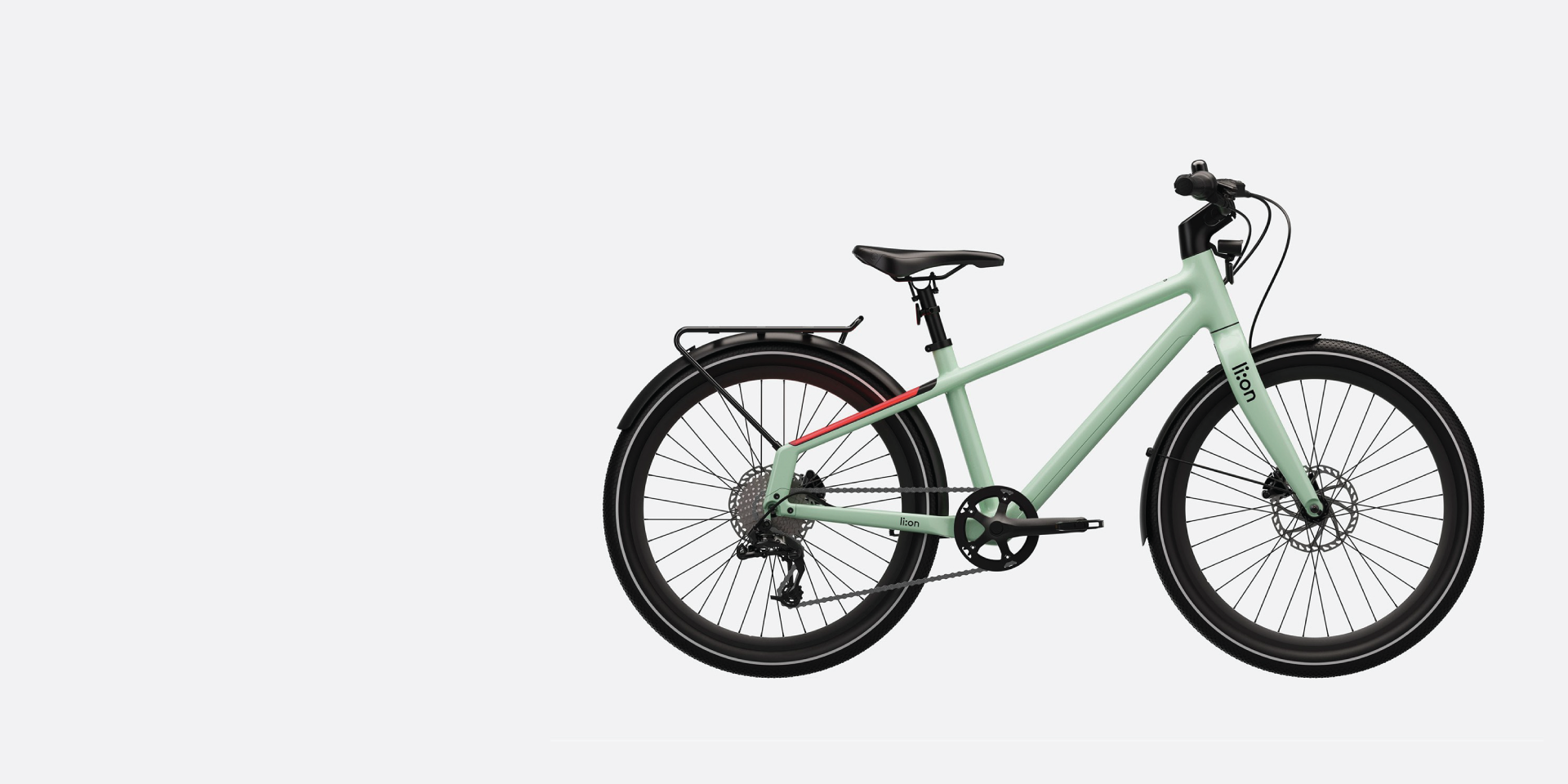
Setting new industry standards, the li:on youth bikes from Kids Bike Revolution in Markdorf combine high safety and stability with low weight as well as sustainable manufacturing and design. A key feature is their frames which come in two sizes. They are made of Fibrit, a polyamide reinforced with 40% recycled carbon fibers that is lightweight and recyclable. Weber Fibertech, which is also based in Markdorf, produces the frames using modified water injection technology (WIT) and its patented E-LFT process, as well as FLEXflow HRS servo-driven hot runner technology from Oerlikon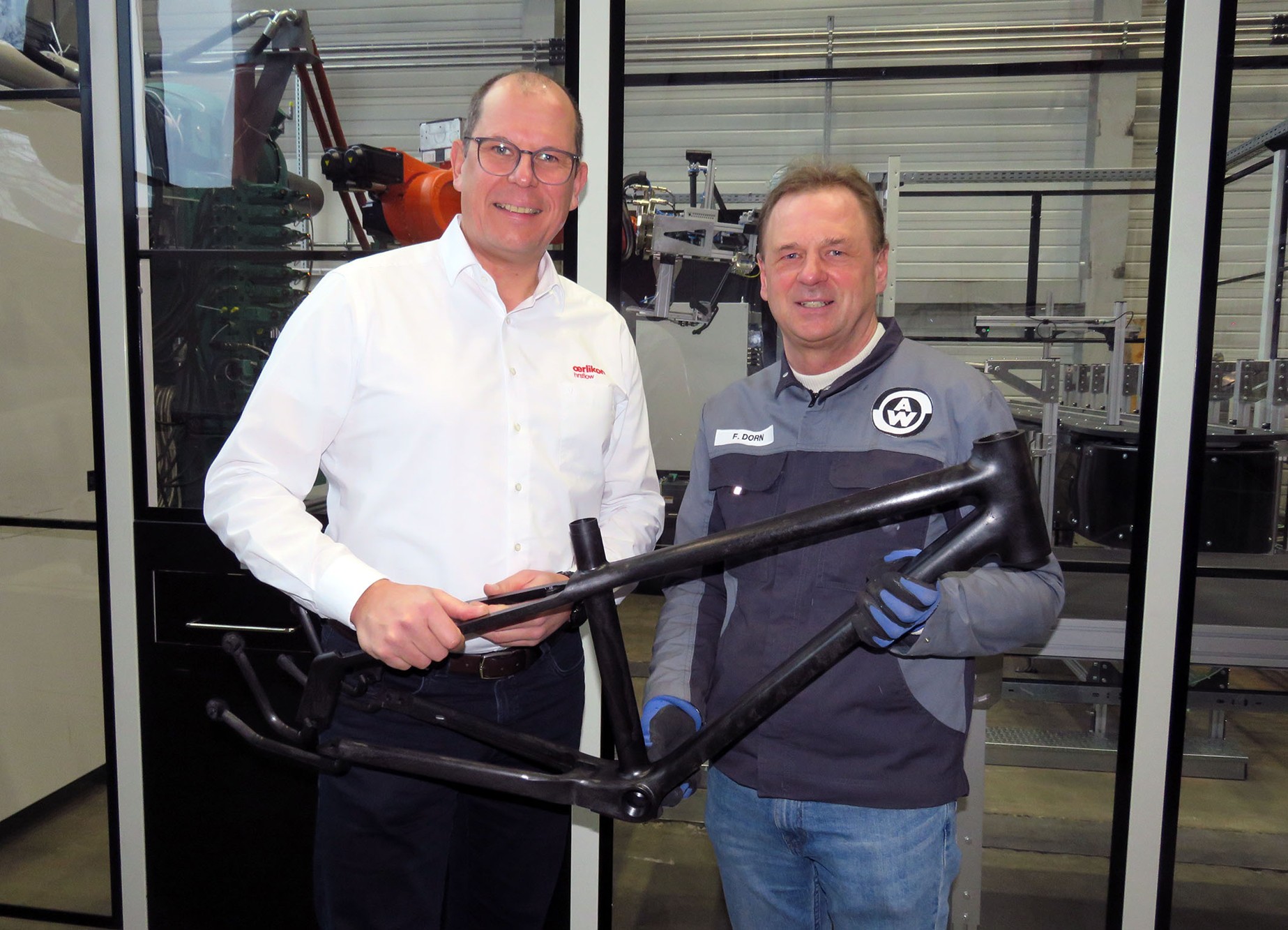 HRSflow. PME fluidtec, a Weber Fibertech subsidiary and a leading global supplier of machines and injection systems for fluid-assisted injection molding based in Ettenheim, Germany, developed the WIT. KraussMaffei manufactures the MX 1600 injection molding machine, which is specifically designed for this application.
In the WIT process, the mold is first filled with molten material. Immediately afterward, a water jet strikes the still-liquid core of the part in the opposite direction of injection, forcing excess material back into the injection molding machine’s melt supply. This saves material without reducing the rigidity of the tubular frame. However, it requires very complex control of the opening and closing of the injection nozzles in both phases of the WIT. FLEXflow HRS meets these requirements and was therefore key to the project's success.
FLEXflow HRS as a key
Compared to conventional hot-runner injection molding, the combination of WIT and hot-runner technology, together with the flexible control unit of the servo-driven FLEXflow HRS systems, offers significant advantages. It enables independent and precise adjustment and monitoring of the needle stroke positions as well as the movement speeds of all nozzles integrated into a mold. This allows for precise control of the opening and closing cycles as well as melt flow, compensates for different flow paths, and enables the targeted positioning of weld lines. This flexibility is available both during injection into the cavity and during the WIT-specific push-back of the molten material for direct use in the subsequent cycle. Separate overflow cavities are not required, eliminating the material loss otherwise associated with them.
For both frame sizes of the li:on bikes, four injection points on the rear fork have proven to be optimal. There, nozzles from the Wa series from Oerlikon HRSflow, which are designed for medium to high shot weights, allow for short injection times. They are made of a highly wear-resistant special steel and thus withstand the demands of processing the abrasive, carbon-fiber-reinforced polyamide.
Friedbert Schmitt, Managing Director of Weber Fibertech, comments: “Thanks to FLEXflow HRS hot runner technology, we can use the WIT for series production and deliver top-quality lightweight frames for the li:on youth bikes. Even at first glance, these closed, multidimensional hollow profiles impress with their perfect surfaces and lack of warping. Despite varying flow paths and cross-sections, their individual areas are completely and uniformly filled and securely sealed at the end of the proce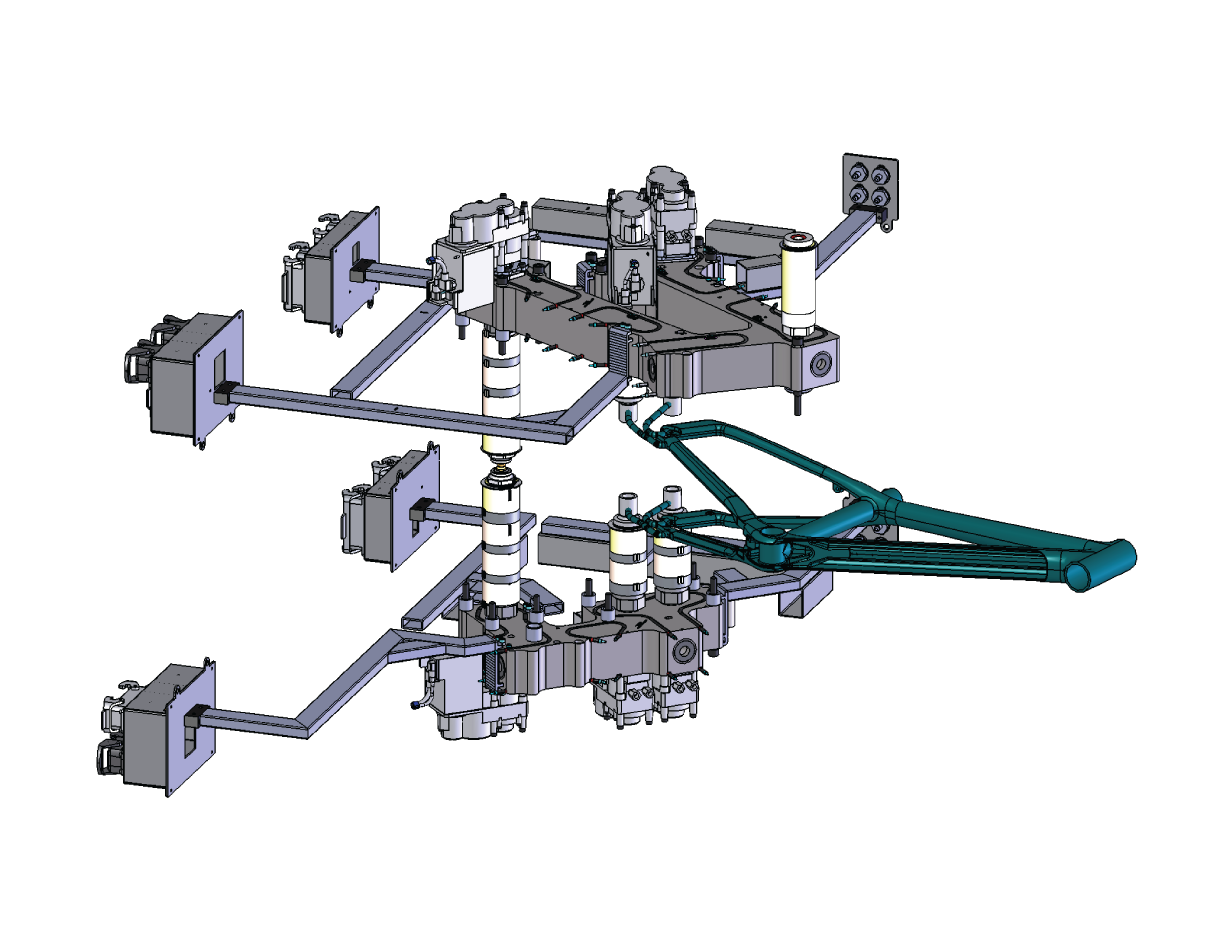 ss. Wall thickness requirements are precisely met throughout. The weld lines are optimally positioned, minimizing their impact. In this way, we make a significant contribution to the high safety level of the products.”
To make the most of the capabilities of FLEXflow HRS in conjunction with the WIT system, Oerlikon HRSflow has customized the control software for this specific application. Joachim Scheffer, Key Account Manager at Oerlikon HRSflow, explains: “Working closely with PME Fluidtec, we first set up and refined the interface with the WIT system. We then programmed FLEXflow HRS so that the melt fronts, starting at the four injection points, converge in a defined manner at the seat post, in the bottom bracket area as well as at the head tube. Thanks to the ability to precisely control the movements and positions of the individual valve pins, we were also able to adjust the timing of the backpressure so that the separate melt flows in the individual frame parts move back evenly. This project would not have been feasible with conventional hot runner technology.”
Focus on safety and sustainability
Developed by former professional cyclists Tony Martin and Marcel Kittel, li:on bikes combine the lightweight design of aluminum frames with the high riding stability of carbon models. With three trim levels, three attractive colors, and frame sizes of 24” and 27.5”, they set a new standard for children’s and youth bicycles in terms of road safety and sustainability.
Thomas Arimond, Managing Director of li:on-bikes, comments: “With the launch of these youth bikes, we are meeting two key requirements: outstanding visibility as a safety feature and environmental sustainability as part of our responsibility as a manufacturer for the ecological footprint of our products. The paint finish in bright, light-reflecting colors and additional lighting elements make them particularly conspicuous, even in poor visibility conditions. This helps protect the health and, in extreme cases, even the lives of young users. On the manufacturing side, we take various measures to ensure that the associated environmental impact remains as low as possible. We manufacture all components in Germany. This keeps transport distances short. In addition, we manufacture virtually ‘on demand.’ This minimizes the number of unsold returns that would otherwise have to be disposed of. The carbon fibe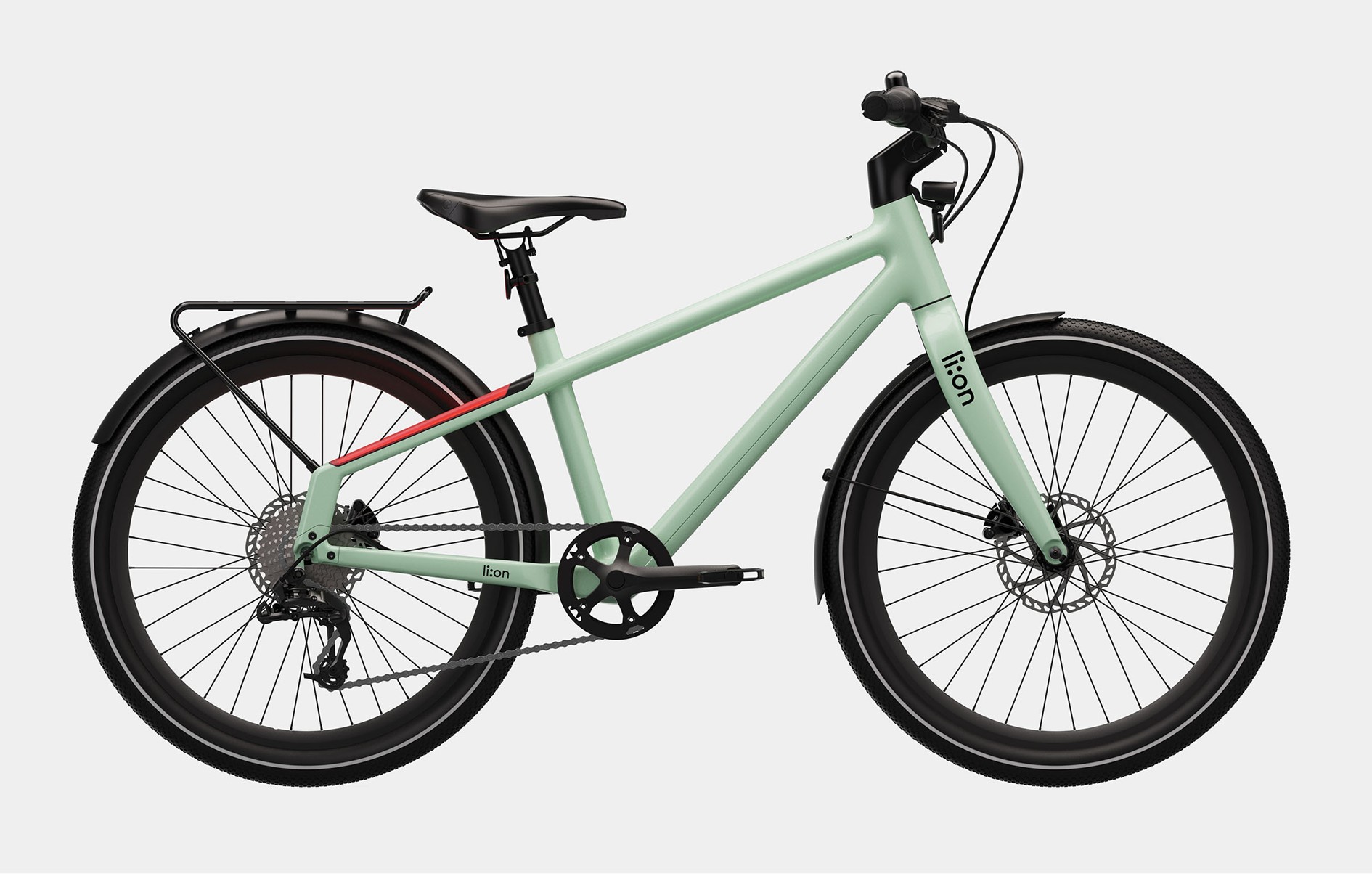 rs used for the Fibrit material come from the recycling loop. The material itself can also be recycled and returned to production. Compared to aluminum, it has a significantly reduced carbon footprint during manufacturing.”
Help with development projects
To establish on the market such frames, which are made of cost-efficiently processable thermoplastic as an alternative to conventional aluminum and carbon frames, Weber Fibertech founded the Fi.Bi.Tec division (Fiber Bike Technology www.fibitec.com). This focuses on the bicycle industry’s growing interest in “Made in Germany” frames and other components. The company supports OEMs from the feasibility study through to large-scale production in Germany.
“Best Kids Bike” Award
Shortly after its market launch, the li:on bikes received a prestigious industry award. During Cyclingworld 2026 – Europe's show for the finest cycling culture – they were named “Best Kids Bike”.The jury recognized the brand’s innovative concept of modern, safe, and sustainable children’s bicycles. They highlighted the use of special light-reflective paint to make young cyclists more visible in traffic, the bike’s exceptional safety features, and the manufacturing process, which emphasizes sustainable production.